
Copy Image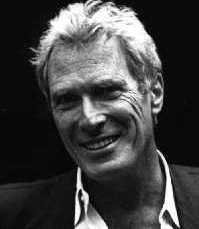
Ink runs from the corners of my mouth.There is no happiness like mine.I have been eating poetry
Mark Strand
-
-
Copy Image
The Coming of LightEven this late it happens:the coming of love, the coming of light. You wake and the candles are lit as if by themselves, stars gather, dreams pour into your pillows, sending up warm bouquets of air.Even this late the bones of the body shine and tomorrow’s dust flares into breath
-
Copy Image
I is for immortality, which for some poets is a necessary compensation. Presumably miserable in this life, they will be remembered when the rest of us are long forgotten. None of them asks about the quality of that remembrance--what it will be like to crouch in the dim hallways of somebody's mind until the moment of recollection occurs, or to be lifted off suddenly and forever into the pastures of obscurity. Most poets know better than to concern themselves with such things. They know the chances are better than good that their poems will die when they do and never be heard of again, that they'll be replaced by poems sporting a new look in a language more current. They also know that even if individual poems die, though in some cases slowly, poetry will continue: that its subjects, it constant themes, are less liable to change than fashions in language, and that this is where an alternate, less lustrous immortality might be. We all know that a poem can influence other poems, remain alive in them, just as previous poems are alive in it. Could we not say, therefore, that individual poems succeed most by encouraging revisions of themselves and inducing their own erasure? Yes, but is this immortality, or simply a purposeful way of being dead?
-
Copy Image
There is no happiness like mine.I have been eating poetry

Post as Image: