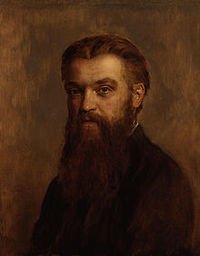
William Kingdon Clifford

  • Copy Image
    William Kingdon Clifford quote. It is wrong always, everywhere, and for anyone, to believe anything upon insufficient evidence

    It is wrong always, everywhere, and for anyone, to believe anything upon insufficient evidence

    William Kingdon Clifford
    Moms Typewriter
    A
    A
  • Copy Image
    William Kingdon Clifford quote. In like manner, if I let myself believe anything on insufficient evidence, there may be no great harm done by the mere belief; it may be true after all, or I may never have occasion to exhibit it in outward acts. But I cannot help doing this great wrong towards Man, that I make myself credulous. The danger to society is not merely that it should believe wrong things, though that is great enough; but that it should become credulous, and lose the habit of testing things and inquiring into them; for then it must sink back into savagery

    In like manner, if I let myself believe anything on insufficient evidence, there may be no great harm done by the mere belief; it may be true after all, or I may never have occasion to exhibit it in outward acts. But I cannot help doing this great wrong towards Man, that I make myself credulous. The danger to society is not merely that it should believe wrong things, though that is great enough; but that it should become credulous, and lose the habit of testing things and inquiring into them; for then it must sink back into savagery

    William Kingdon Clifford
    Moms Typewriter
    A
    A
  • Copy Image
    William Kingdon Clifford quote. The aim of scientific thought, then, is to apply past experience to new circumstances; the instrument is an observed uniformity in the course of events. By the use of this instrument it gives us information transcending our experience, it enables us to infer things that we have not seen from things that we have seen; and the evidence for the truth of that information depends on our supposing that the uniformity holds good beyond our experience
    The aim of scientific thought, then, is to apply past experience to new circumstances; the instrument is an observed uniformity in the course of events. By the use of this instrument it gives us information transcending our experience, it enables us to infer things that we have not seen from things that we have seen; and the evidence for the truth of that information depends on our supposing that the uniformity holds good beyond our experience
    William Kingdon Clifford
    Moms Typewriter
    A
    A
loader
Post as Image: